
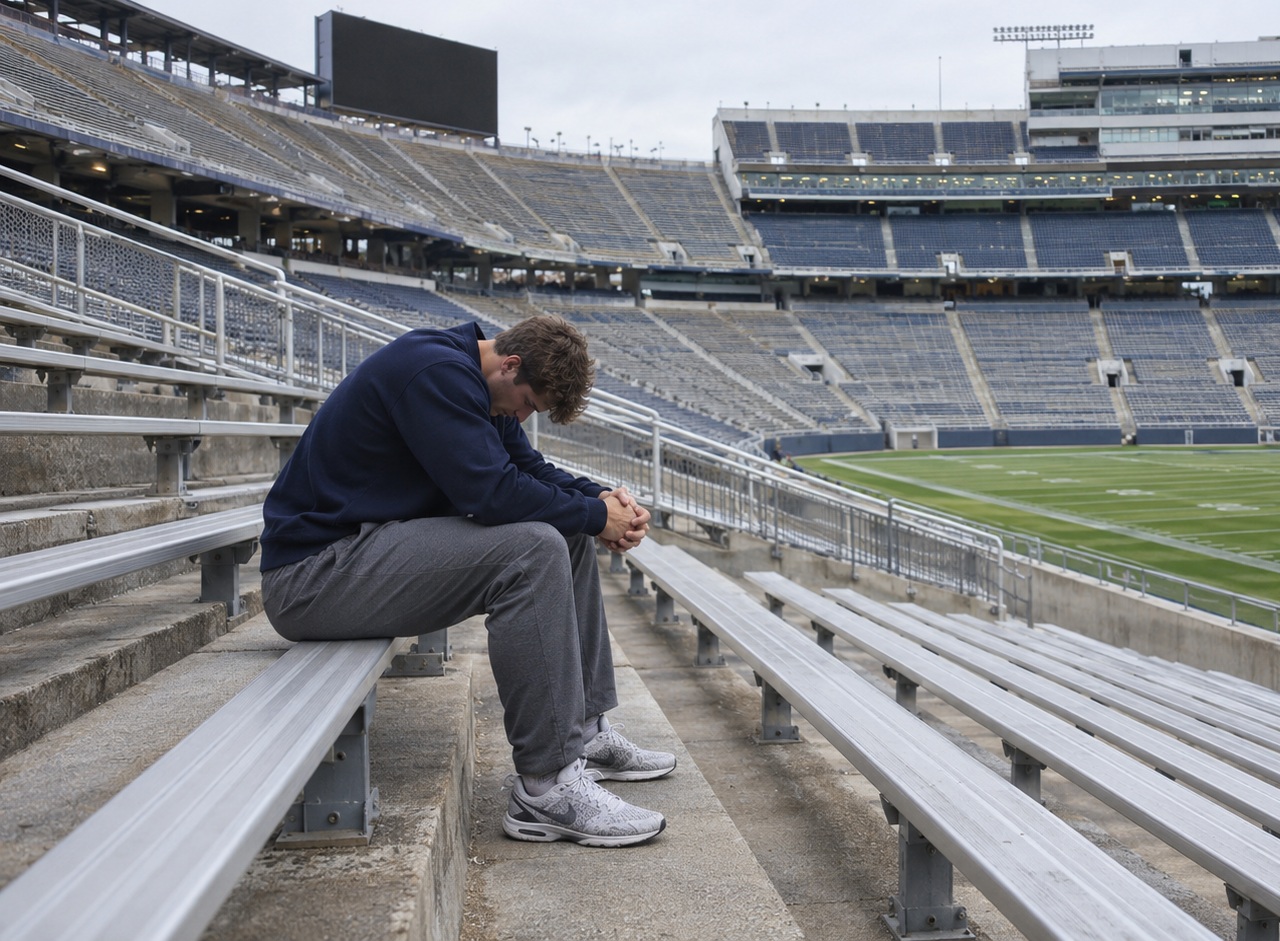
Team Suspensions, Conduct Clauses, and Disclosure Rules Can Hit Long Before Any Finding
A Title IX complaint can put a college athlete's scholarship and name, image, and likeness (NIL) deals at risk long before any hearing. Team suspensions, paused payments, and a public story can arrive within days, because schools, conferences, and sponsors each follow their own rules and none of them waits for the Title IX process to finish. An experienced Title IX defense lawyer can help an athlete respond on every front while protecting their legal and financial interests.
The pressure doesn't always end when the campus case does. In October 2026, ESPN reported that campus police and the local district attorney were investigating Louisiana State University (LSU) defensive end Damien Shanklin, even though an appeal had already reduced his Title IX suspension to probation. His lawyers say he maintains his innocence, and he hadn't played a game this season at the time of the report.
For athletes and parents, the costliest mistakes tend to happen in the first few days. An unguarded talk with a coach, a statement to investigators, or a signed document can follow the case for years. Decisions made early shape the scholarship, the NIL income, and any criminal case that comes later.
|
What's at Stake
|
What Happens to an Athlete's Team Status During a Title IX Investigation?
Colleges now handle sexual misconduct complaints under the 2020 Title IX rule, which the U.S. Department of Education formally restored in September 2026. That rule presumes the accused student isn't responsible until the process ends. Even so, schools still have tools to act early, and those tools can sideline an athlete for weeks.
A school can remove an accused student on an emergency basis only after an individualized safety and risk analysis. The school must find an immediate threat to someone's physical health or safety. It must also give the student a chance to challenge the removal right away. That challenge is worth making quickly.
Athletic departments may also act through team rules or codes of conduct. Those rules often carry fewer protections than the Title IX process. A coach can bench a player while the investigation runs. Every missed game shrinks the film an athlete needs for the next level. Pushing back on an unfair suspension early can protect both the season and the athlete's standing in the case.
Can a School Take Away an Athletic Scholarship Over a Title IX Allegation?
Yes, in some cases. National Collegiate Athletic Association (NCAA) rules bar schools from cutting athletic aid mid-year for athletic reasons. They do allow cancellation for serious misconduct that warrants substantial discipline. A Title IX finding of responsibility is exactly the kind of record a school can point to.
Before aid is cut during the year, the athlete must get written notice and a chance at a hearing. That hearing isn't run by the athletics department. It's a separate chance to show the discipline doesn't justify ending the scholarship. It's also a place to point out that the finding is still under appeal.
Schools can also decline to renew aid for the next year, and the athlete has a hearing right there too. Families who miss the deadline to request a hearing can lose the argument without ever making it. A lawyer can line up that request with the Title IX appeal so one outcome doesn't undercut the other.
How NIL Deals and Revenue-Sharing Contracts Can Unravel
Since the House settlement, schools can pay athletes directly through revenue-sharing contracts. Many athletes also hold private NIL deals. Those agreements usually say what happens when an athlete faces a serious accusation. The Southeastern Conference (SEC) adopted standardized contracts in October 2026, following the Big Ten, whose agreements allow termination over a morals clause violation.
- Morals Clauses: Many deals let the school, collective, or brand end the agreement over conduct that could harm its image, often without waiting for a finding.
- Eligibility and Good-Standing Conditions: Payments may depend on staying eligible and in good standing, so a suspension can stop the checks even when the contract survives.
- Transfer Penalties: Some contracts add costs when an athlete leaves early, which can follow a player who transfers to escape a hostile campus.
- Notice and Response Terms: Some agreements give the athlete a chance to respond before the school acts, and that window can close fast.
Every one of these clauses turns on facts that the Title IX case is still sorting out. A lawyer can review the contracts, answer termination notices, and argue that an accusation alone isn't a breach. That response often decides whether an athlete keeps the money while the case plays out.
Why a Title IX Finding Can Follow an Athlete to a New School
Transferring doesn't wipe the slate clean. Under the NCAA Policy on Campus Sexual Violence, athletes must disclose every year any discipline they received through a Title IX proceeding. Schools sign off on these disclosures annually, so the requirement isn't a formality.
Member schools must share that discipline information, along with any Title IX case left unfinished, when an athlete tries to enroll somewhere new. A coach recruiting from the transfer portal will likely learn about a finding, a sanction, or an open case. That can shrink the market for a talented player overnight, even after a suspension is reduced on appeal.
The policy also reaches informal resolutions that end in a finding of responsibility. A quick deal can look like a way to move on. It can still create the same disclosure problem as a hearing loss. Any agreement should be weighed against what it will mean for every future roster spot.
Common Misconceptions That Cost Athletes More
Families facing a Title IX case for the first time often rely on assumptions. Many of them don't match how schools, conferences, and sponsors actually work. These are some of the most common, along with what tends to happen in practice.
| What Families Might Assume | What Actually Happens |
|---|---|
| A team suspension means the school found the athlete responsible. | Teams can act before any finding, while the Title IX process still presumes the athlete isn't responsible. |
| The scholarship is safe until the season ends. | Athletic aid can be canceled mid-year for serious misconduct after a hearing opportunity. |
| NIL money has nothing to do with school discipline. | Revenue-sharing and NIL contracts often include morals clauses tied to an athlete's conduct. |
| Transferring makes the problem go away. | Title IX discipline and unfinished cases must be disclosed to the new school. |
| Winning the Title IX appeal ends the matter. | Police and prosecutors can still open a separate criminal investigation. |
Each of these assumptions can lead a family to wait, stay quiet, or sign something too soon. The Title IX office, the financial aid office, the coaching staff, and every sponsor make their own decisions. Each has its own deadlines, and missing one can undo progress made everywhere else.
The safest approach treats the Title IX case, the scholarship, and the NIL contracts as one problem. A statement made to save a contract can hurt the Title IX defense. Families who bring in experienced help early get a strategy that protects all three at the same time.
The Case for Bringing in an Advisor Early
The 2020 rule lets each side choose an advisor of their choice, and that advisor can be a lawyer. The timing of that choice matters as much as the choice itself. An advisor brought in after the first interview is often cleaning up problems instead of preventing them. Here's where an advisor makes the biggest difference.
- Before the First Interview: An advisor can prepare the athlete for questions, since statements in a Title IX file can later reach police and prosecutors.
- During Evidence Review: Both sides get to review the evidence gathered, and an advisor can spot gaps and preserve texts, photos, and witness accounts.
- At the Live Hearing: Questions to the accuser and witnesses must come through the advisor, never from the athlete directly.
- On Appeal: An appeal can change the sanction, which can decide whether a scholarship and roster spot survive.
- Across Every Related Case: One lawyer can coordinate the Title IX case, any police inquiry, the scholarship hearing, and NIL contract notices.
Schools assign trained staff to run these cases, and an accuser often has support from the start. An athlete who walks in alone is at a real disadvantage. Knowing the rights at a Title IX hearing is a start. A defense lawyer is the one who can put them to work.
Protecting a Career That Took Years to Build
Botsford & Roark defends college athletes and students facing Title IX allegations at schools across Texas and nationwide. Attorney Brian Roark began his career as a prosecutor in Travis County and has represented athletes at the professional and collegiate levels. He knows how both schools and the state build cases against accused students.
We've won a not guilty verdict for a top student athlete accused of sexual assault, and the district attorney then dropped the case against the co-defendant, another student athlete. Our challenge to the University of Texas at Austin's Title IX procedures also led to the exoneration of star student athletes.
If you or your college athlete is facing a Title IX complaint, get a free, confidential case evaluation before a single interview or contract notice decides the season.
"I had a lot to lose. Botsford & Roark stopped the prosecution in their tracks." — Anonymous