
A Student May Be Defending Two Cases Based On The Same Allegation
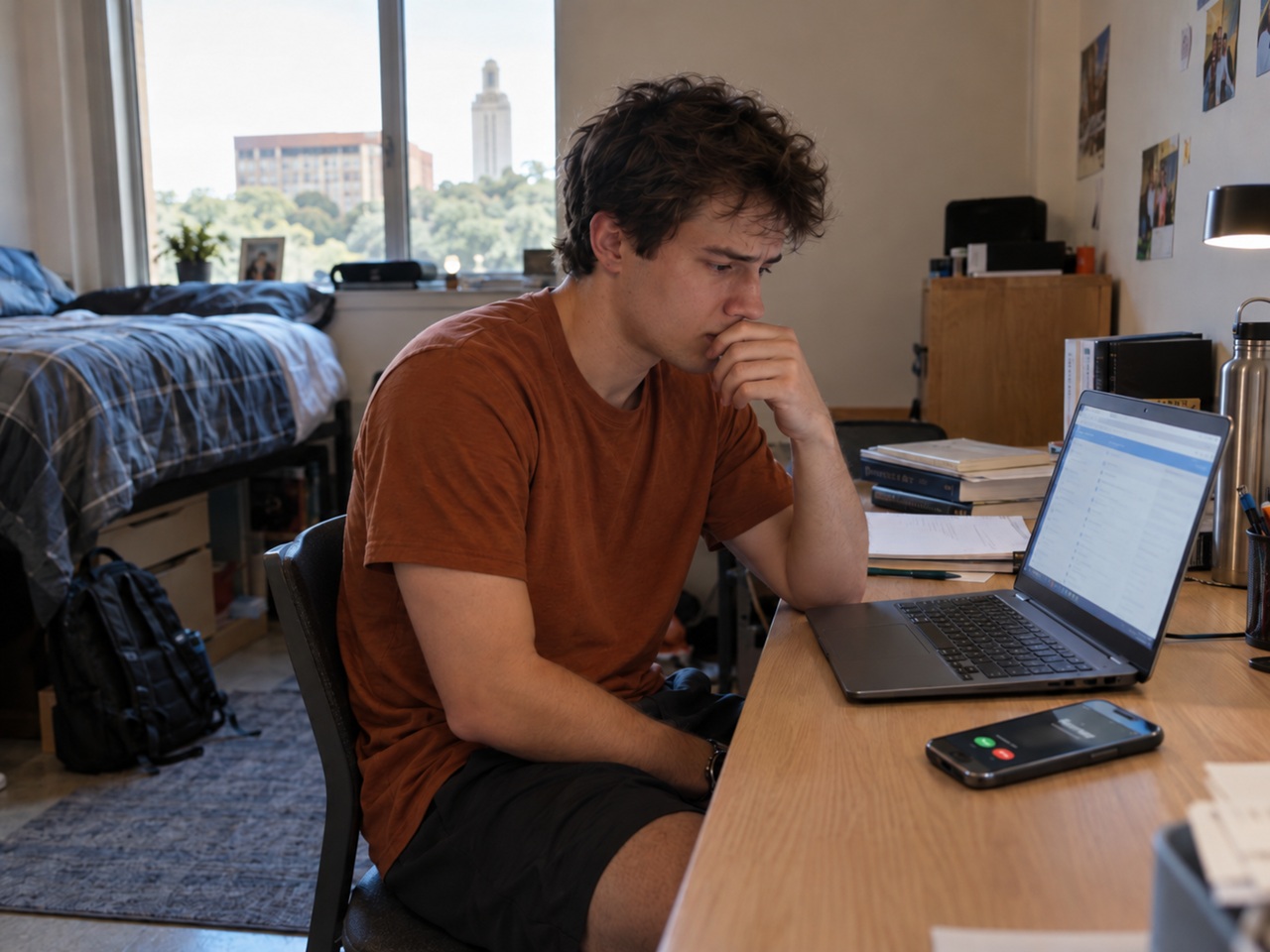
A college student receives an email from the Title IX office asking for an interview. Two days later, a detective calls about the same allegation. The student wants to explain what happened before anyone assumes the worst.
That instinct can create serious problems.
A Title IX investigation and a criminal investigation can move forward at the same time even when both arise from the exact same allegation. The school may be deciding whether the student violated university policy while police and prosecutors investigate whether Texas criminal law was broken. The procedures, standards, evidence rules, and possible consequences are different, but what happens in one proceeding can affect the other.
At Botsford & Roark, attorney Brian Roark is an experienced Title IX and criminal defense attorney who handles both sides of that problem. Defending the campus case without accounting for criminal exposure can be dangerous, just as focusing exclusively on the police investigation can put a student's education, scholarship, athletic eligibility, reputation, and future at risk.
The School And Police Are Answering Different Questions
A Title IX case isn't a criminal prosecution.
The school runs its own administrative process to determine whether a student violated Title IX-related policies or other university conduct rules. Depending on the allegation and school, the consequences can include restrictions on campus, suspension, expulsion, loss of scholarships, removal from athletics, or other academic penalties.
A criminal investigation serves a different purpose. Police collect evidence for possible presentation to prosecutors, who decide whether the facts support criminal charges. If the allegations involve nonconsensual sexual conduct, for example, investigators may examine whether the conduct falls within Texas sexual assault law, including the consent provisions of Texas Penal Code § 22.011.
A criminal conviction can threaten a person's freedom and create consequences that extend far beyond campus. That's why someone facing possible criminal exposure needs to think like a criminal defendant even if no arrest has occurred yet.
| Issue | How The Two Proceedings Differ |
|---|---|
| Who Runs It? | Title IX: The college or university. Criminal: Police, prosecutors, and the courts. |
| Main Question | Title IX: Did the student violate school or Title IX-related policy? Criminal: Did the person commit a crime under Texas or federal law? |
| Possible Consequences | Title IX: Suspension, expulsion, scholarship or athletic consequences, and other academic restrictions. Criminal: Arrest, prosecution, incarceration, fines, a criminal record, and possible sex offender registration. |
| Evidence | Title IX: The school's procedures govern what evidence is collected and considered. Criminal: Constitutional protections and formal rules of criminal evidence apply. |
| Burden Of Proof | Title IX: A lower evidentiary standard applies under the school's procedures. Criminal: Prosecutors must prove guilt beyond a reasonable doubt at trial. |
| Timing | Title IX: The school process can continue while police investigate. Criminal: The investigation can continue independently of the university's timetable. |
The Title IX Case Does Not Automatically Stop When Police Get Involved
One of the most dangerous assumptions a student can make is that the university must put everything on hold once law enforcement begins investigating.
It doesn't.
As of 2026, the U.S. Department of Education is again enforcing the 2020 Title IX regulations after a federal court vacated the 2024 regulations nationwide in January 2025. Under the current framework, schools must use reasonably prompt grievance procedures.
The 2020 rule does allow a school to temporarily delay the grievance process or grant a limited extension for good cause. Concurrent law enforcement activity is specifically identified as a circumstance that may justify such a delay.
But that doesn't require the school to freeze the case until the criminal investigation ends. The Department of Education described these as temporary delays or limited extensions, not open-ended holds.
A student may therefore face a Title IX investigation and hearing process while detectives are still interviewing witnesses, reviewing digital evidence, or deciding whether to refer the case to a prosecutor.
Trying To "Clear Things Up" Can Create Evidence
This is where the two proceedings become particularly dangerous.
A student receives an interview request from the Title IX investigator and thinks, "I didn't do anything wrong, so I'll just tell them exactly what happened."
That statement doesn't necessarily stay confined to a university conference room.
A Title IX investigation can generate written statements, interview summaries, emails, text messages, screenshots, witness accounts, investigative reports, and hearing records. Depending on the circumstances, information from the campus process may later become relevant to law enforcement, prosecutors, subpoenas, witnesses, or a criminal defense investigation.
Even small inconsistencies can matter.
Suppose a student tells the school that both people left a party at 12:30 a.m. Months later, police obtain rideshare records showing the trip occurred at 1:05 a.m. The time difference may be innocent, but an investigator or prosecutor can characterize the inconsistency as evidence that the student's account is unreliable.
The same problem can occur when someone tries to improve an earlier explanation by adding details later. A prosecutor may ask why those details weren't mentioned the first time.
That's why anyone facing both proceedings should think carefully before giving statements in either one.
The Right To Remain Silent Does Not Solve The Campus Problem By Itself
In a criminal investigation, constitutional protections against compelled self-incrimination can become critical. A person being questioned by police may have powerful reasons not to answer questions without first speaking with an attorney.
But a university disciplinary process isn't a criminal courtroom.
The way constitutional protections apply can depend on the institution and circumstances, particularly when comparing public and private universities. More importantly, protecting yourself from criminal exposure doesn't necessarily make the Title IX proceeding disappear.
The school may continue collecting evidence from other sources. It may interview the complainant and witnesses, review messages, examine photographs, and move toward a determination under its own procedures.
That creates the central strategic problem in a parallel case: how do you protect against self-incrimination without abandoning the defense of the Title IX allegation?
There isn't one answer that works for every student. The facts, criminal exposure, school rules, existing evidence, and timing all matter.
The Current Title IX Rules Still Provide Important Procedural Protections
The Department of Education has confirmed that the 2020 Title IX rule currently forms the basis of federal Title IX enforcement. The rule includes protections involving notice, evidence, advisors, grievance procedures, and a presumption that a respondent isn't responsible before a determination is made.
Students should understand their rights during a Title IX proceeding before deciding how to participate.
That becomes especially important when a criminal investigation is running in parallel. A deadline to respond to evidence or prepare for a campus proceeding shouldn't be treated as an ordinary administrative deadline when the same material could affect a felony investigation.
Texts, Snapchat Messages And Phone Data Can Matter In Both Cases
Modern Title IX and sexual assault cases often turn on digital evidence.
Texts sent before and after the alleged incident may affect arguments about consent, intoxication, timing, credibility, or what the parties understood. Phone records can place people in particular locations. Rideshare receipts can establish when someone arrived or left. Social media posts may contradict a timeline.
The same evidence can matter to both the school and police.
That makes early preservation essential. A student shouldn't start deleting messages, photographs, social media accounts, location history, or other information because something appears embarrassing or unhelpful.
We routinely look for evidence that can support a Title IX defense, including texts, phone records, call logs, screenshots, witness testimony, rideshare records, medical evidence, police reports, and other documentation.
The criminal side raises another issue: how law enforcement obtained the digital evidence. Police generally need a warrant to search the contents of a cellphone after an arrest, although consent and other exceptions can affect the analysis. A dispute over a Texas police search of a cellphone can therefore become critical when texts, photographs, or app data form an important part of the criminal case.
The Complainant Can Give Statements To More Than One Investigator
Parallel investigations don't create consistency problems only for the accused student.
The complainant may speak with a Title IX investigator, campus personnel, police officers, medical professionals, friends, family members, and prosecutors. Witnesses may also tell their stories more than once.
Those accounts should be compared carefully.
A difference doesn't automatically prove someone lied. Memory can change, questions can be phrased differently, and people may remember additional details later.
But material inconsistencies can become important when the central dispute concerns consent, incapacitation, timing, communications, or what happened immediately before or after the alleged event.
A coordinated defense looks across both proceedings rather than treating every statement as if it exists in isolation.
Police Questioning Creates A Different Kind Of Risk
A detective may contact a student before an arrest and say they simply want to hear the other side.
That doesn't mean the conversation is harmless.
Police investigators collect statements because statements can become evidence. They may already possess messages, witness accounts, surveillance video, medical evidence, or other information before they make contact.
Investigators are also permitted to use certain deceptive interrogation tactics. A student who believes police questioning is an opportunity to prove innocence may end up making statements that prosecutors later characterize as admissions or contradictions.
Understanding how police questioning can be used to build a criminal case matters even more when a student has already provided a detailed account to the university.
Before answering police questions, a student should understand who is asking, why they're asking, what evidence may already exist, and how a statement could affect both proceedings.
A Criminal Case Requires A Much Higher Burden Of Proof
The same accusation can produce different outcomes in the two systems because they don't apply the same standard.
A criminal conviction requires proof beyond a reasonable doubt.
Under the current Title IX framework, institutions use a lower civil-style evidentiary standard permitted by federal regulations and their own policies. Schools may use the preponderance standard or, under the applicable federal framework, a clear-and-convincing standard when used consistently in comparable proceedings.
That means police or prosecutors may decide the evidence doesn't justify a criminal charge while a university still pursues discipline.
The reverse can also create complications. A school finding doesn't automatically establish criminal guilt. Prosecutors still have to build a case that satisfies constitutional requirements and the much higher criminal burden.
We've addressed these distinctions in cases involving both criminal allegations and Title IX proceedings in Texas. When the same facts create two cases, the defense strategy has to recognize the different rules without creating inconsistent positions.
One Investigation May Reveal Evidence The Other Did Not Have
Parallel proceedings can sometimes create an unexpected advantage when handled carefully.
The school may locate witnesses police never interviewed. A university investigation may identify texts or photographs that weren't initially provided to law enforcement. Conversely, the police may collect surveillance video, forensic evidence, phone data, or witness statements the campus investigator didn't have.
That doesn't mean every piece of information will automatically move from one proceeding to the other.
It means the defense needs to know what exists in each system and identify inconsistencies, missing evidence, and new information as early as possible.
Texas prosecutors don't simply rely on an accusation. They use investigators, forensic evidence, witness testimony, digital records, and other proof to build a criminal case. A defense lawyer handling parallel proceedings can evaluate that criminal evidence while also preparing for the university's deadlines and procedures.
Parents Should Not Let Their Student Handle Both Proceedings Alone
Parents often learn about the accusation after their son or daughter has already answered an email, met with a dean, spoken to friends, or received a call from a detective.
The instinct may be to tell the student to explain everything honestly and cooperate.
That advice can be risky when criminal exposure exists.
Parents can help by preserving communications, gathering university documents, identifying deadlines, and helping their student obtain legal advice before making additional statements. The first days of a college Title IX case can shape what happens for months afterward.
A no-contact order or school directive also needs to be followed carefully. Attempts to contact the complainant, explain the situation, apologize, confront a witness, or ask friends to intervene can create additional problems in both proceedings.
Botsford & Roark Has Defended Students Facing Both Title IX And Criminal Allegations
This overlap isn't theoretical for us.
Brian Roark has defended more than a dozen students accused of both criminal sexual assault and Title IX sexual misconduct. Our case results include a University of Texas student reinstated after an expulsion stemming from an unfair Title IX appeal process and a top student-athlete found not guilty of sexual assault. The county district attorney's office later dropped the case against the athlete's co-defendant.
Attorney Roark also began his legal career as a Travis County prosecutor. That experience gives our defense team insight into how law enforcement and prosecutors evaluate statements, witnesses, forensic evidence, and potential criminal charges while we simultaneously understand the procedures and stakes of university Title IX cases.
One Defense Strategy Should Protect Both Your Freedom And Your Education
A student facing parallel Title IX and criminal investigations doesn't have the luxury of treating the cases separately.
A statement made to help the campus case may create criminal exposure. Refusing to participate without understanding the university's rules may weaken the student's position at school. Digital evidence may matter in both proceedings. Witnesses may give different accounts to school investigators and police. And the two systems may move on completely different timelines.
That is why early coordination matters.
If you or your child has received a Title IX complaint and police are also investigating, don't wait for an arrest or a campus hearing before getting legal advice. Contact attorney Brian Roark for a free and confidential case evaluation. We'll evaluate the criminal exposure, university process, existing evidence, deadlines, and statements that have already been made so we can build a strategy designed to protect your freedom, education, reputation, and future.
"Without question, the #1 criminal defense attorney in the city. Even when they tried to make things difficult for me, Brian found a way to get things done in my favor." - Sigi P., ⭐⭐⭐⭐⭐